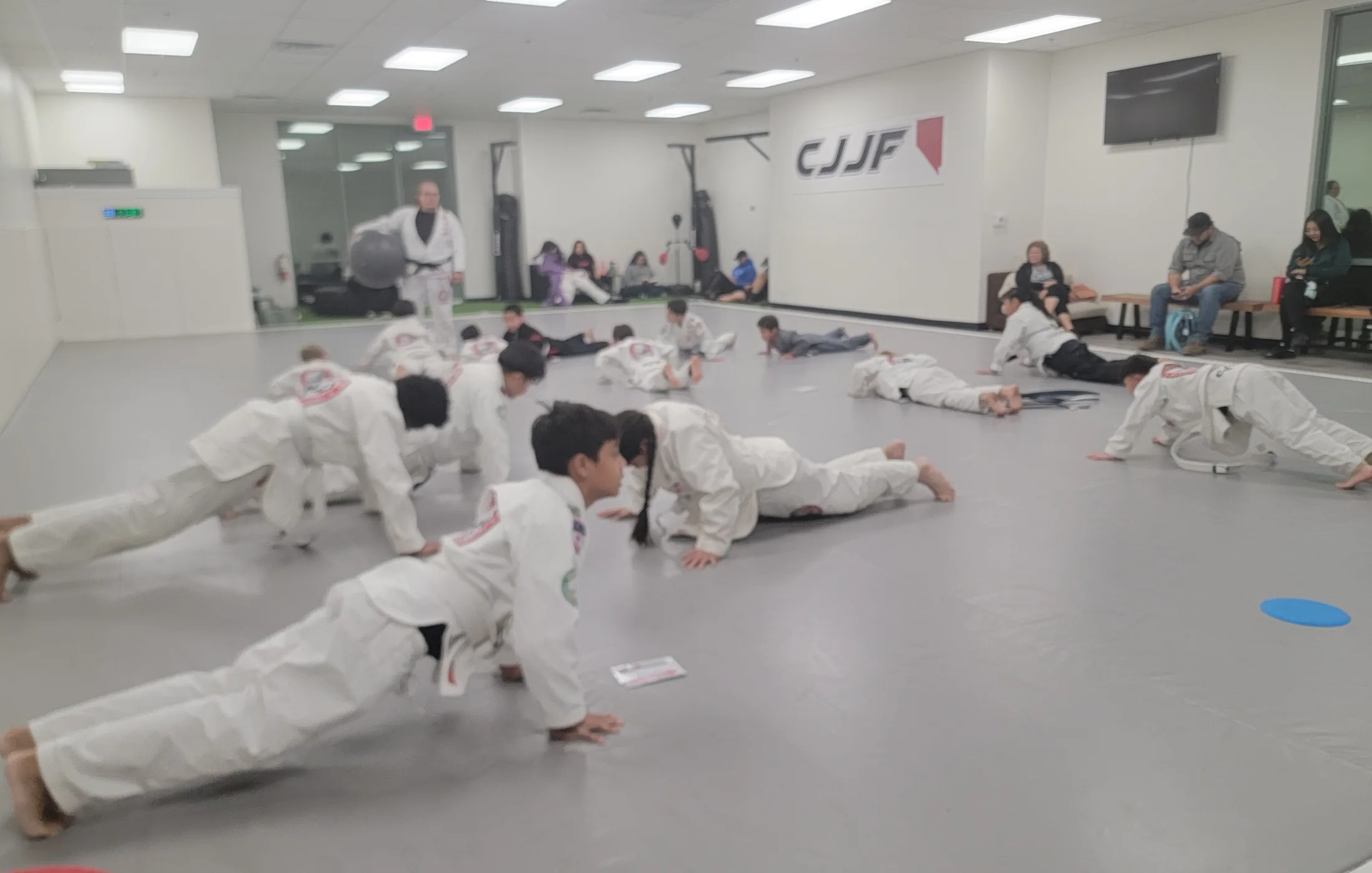
Ages 10 and up. A more technical, less game-based approach than the Kids program. Real Jiu-Jitsu, real accountability, real peers.
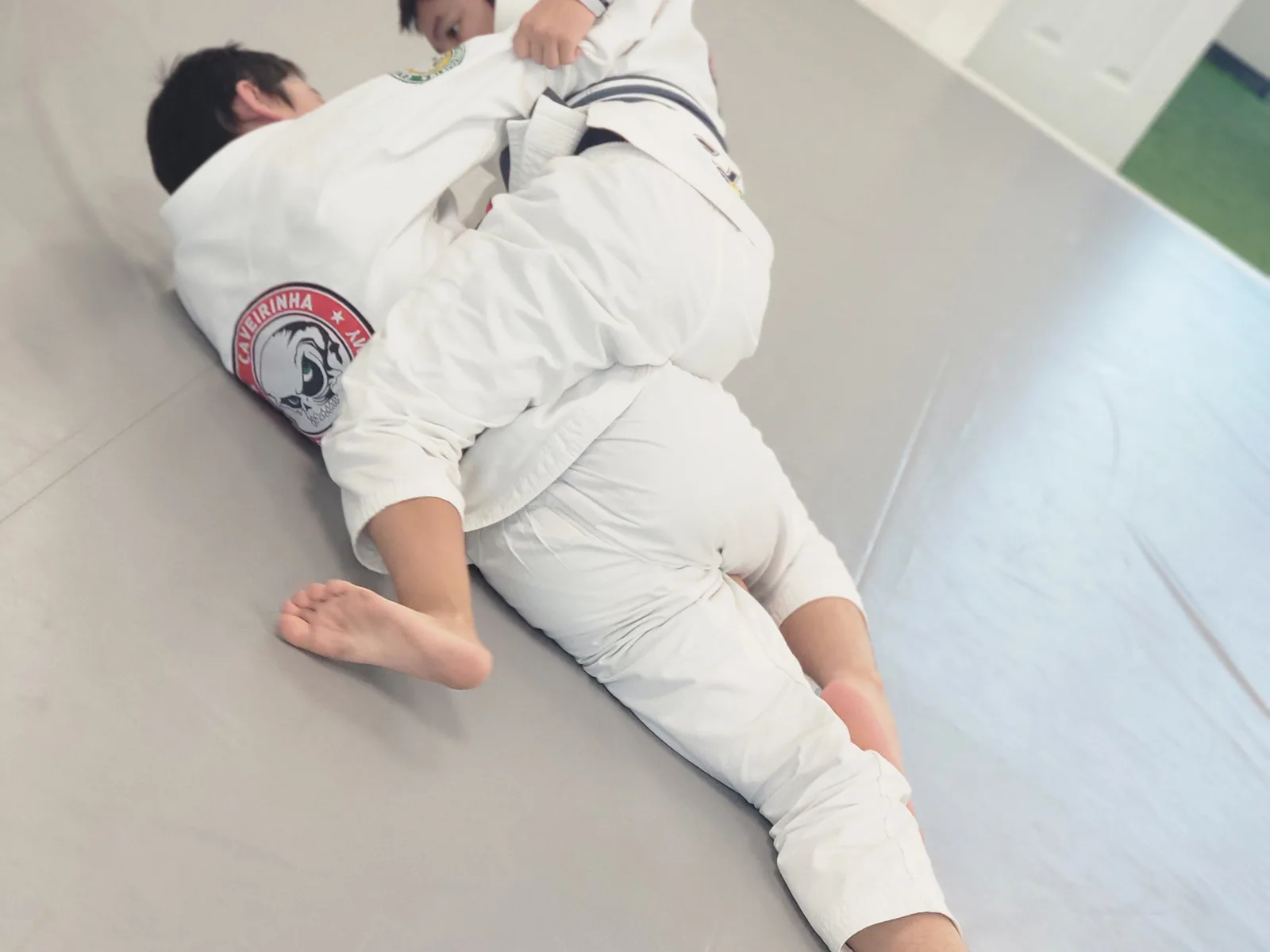
Ten years old is an inflection point. Kids at this age want to be treated like the adults they're becoming, but they still need more structure than adults do. A Jiu-Jitsu class built to hit that target is one of the most valuable environments a teen can spend time in — if it's run right.
Our Teens program runs on its own schedule, with its own coaching approach. The techniques are the same as the adult curriculum. The pace is slightly slower, the conditioning is a bit lighter, and the expectations for respect and focus are higher than what most parents expect.
Claim Your Free ClassNot the bravado of a kid who's never been challenged. The quiet kind that comes from knowing you can handle yourself.
Real techniques for real situations. When to speak up, when to walk away, and when to defend yourself if you can't.
Jiu-Jitsu is one long attention exercise. Teens who train consistently often see it show up in schoolwork within a few months.
For the kids who want it. Tournaments, training cycles, real coaching. For the ones who don't, nothing changes.
A few specific rules we enforce in the Teens program that parents often notice.
Every item below is something you'll experience in your first few weeks. No fluff.
No fluff. Here's the three-step picture of your first day on our mat.
Bleachers are available. You'll see the whole class — and you're welcome to talk to the coach after.
Teens train with teens their size and experience. We don't mix your 13-year-old white belt with a 17-year-old blue belt for sparring.
Coach treats teens like young adults — direct feedback, no baby talk, but age-aware. Expect your kid to come home with technique, not a participation trophy.
Answers to the four things most new members ask before their first class.
Perfect, actually. Most teens start as white belts. The curriculum assumes no background and builds from positional fundamentals.
No. Our mat policy is watched. Partners are size- and experience-matched. The culture is protective. If your teen experienced the opposite at another gym, this room will surprise them.
BJJ often helps. The structure — the same mat, same people, same discipline — is regulating. Many of our teens came in shy and left year one as different kids. That's not marketing; that's what the art does.
Once they hit 16 — yes. Many of our late teens cross over to the adult program for their second class of the week. Ask Coach when your kid is ready.
Still not sure? Just come in. The free class is the answer.
Claim Your Free ClassOne free class for your teen. No contract on day one. The coaches will meet you at the door and show them exactly where to go.
The first class is free. Most parents see a change inside a month.
Claim Your Free Class